Asiatic Acid
Asiatic Acid appears in 1,525 of 13,081 K-beauty products we track (as of October 2026); in 0% it is among the first five ingredients. Source: ingredient lists on brand labels.
What does Asiatic Acid do in skincare?
- Redness & sensitivity — Asiatic acid is a centella-derived compound used to help soothe visible redness.
What research has looked at
A review of Centella asiatica in cosmetics describes its main compounds — asiaticoside, madecassoside, asiatic acid and madecassic acid — and laboratory findings that they support collagen production by skin cells. It notes their use in products for the look of sun-aged skin and stretch marks. Much of the evidence comes from lab and small studies.
Studies in PubMed
PubMed lists 8 studies on Asiatic Acid applied to the skin, including 1 randomized controlled trials in people (as of October 2026).
- Asiatic acid-entrapped transfersomes for the treatment of hypertrophic scars: In vitro appraisal, bioactivity evaluation, and clinical study — International journal of pharmaceutics, 2024 · Randomized controlled trial
Counts come from a PubMed search, so they include studies where it was tested alongside other ingredients. A study is not a claim about any product. See the search on PubMed ↗
Products that list Asiatic Acid among the first five ingredients

Questions about Asiatic Acid
What does Asiatic Acid do in skincare?
Asiatic Acid is commonly used for redness & sensitivity. Asiatic acid is a centella-derived compound used to help soothe visible redness.
Is Asiatic Acid good for redness & sensitivity?
Asiatic Acid is commonly used for redness & sensitivity. Asiatic acid is a centella-derived compound used to help soothe visible redness.
Which K-beauty products list Asiatic Acid near the top?
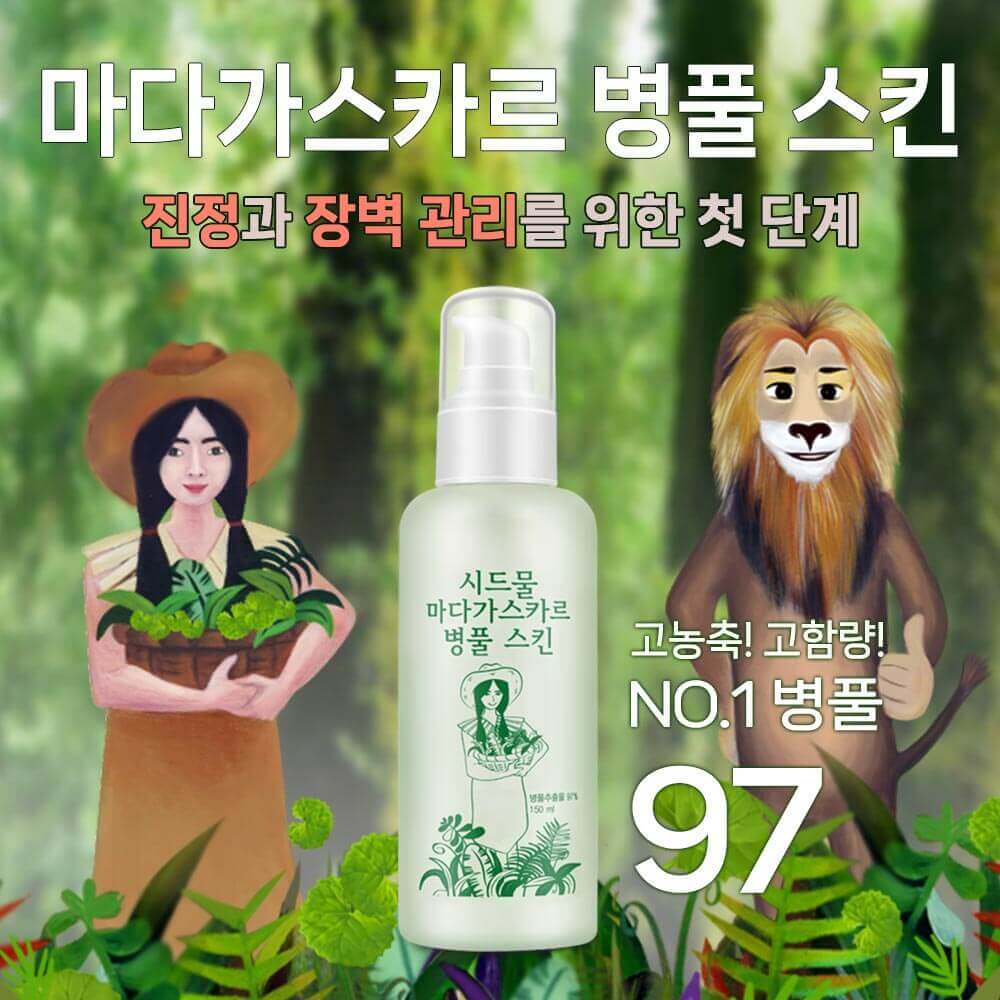
2 of the 1,525 products that contain Asiatic Acid list it among the first five ingredients (as of October 2026), for example Sidmool Madagascar Centella Skin and Haruharu Wonder 3% PHA Gentle Liquid Exfoliating Serum. A higher position usually means more of it, though labels do not show exact amounts.
Counts come from the full ingredient lists of the products we track, last checked October 2026. Ingredient notes say what an ingredient is commonly used for; they are not medical advice. How we pick
Dataset ref SM-ef5415e5