Cleanse
Tea Tree Control Cleansing Foam
Is this right for my skin? →A cleansing foam for the cleanser step of the routine, built on a fatty acid and potassium base that forms a foaming wash. Salicylic Acid is listed 14th, and Melaleuca Alternifolia (Tea Tree) Leaf Oil is 18th, with Centella Asiatica Leaf Extract further down the list. Water is the first ingredient.

from ₩9,000 (≈ $6.57)
Ingredients checked Oct 26, 2026
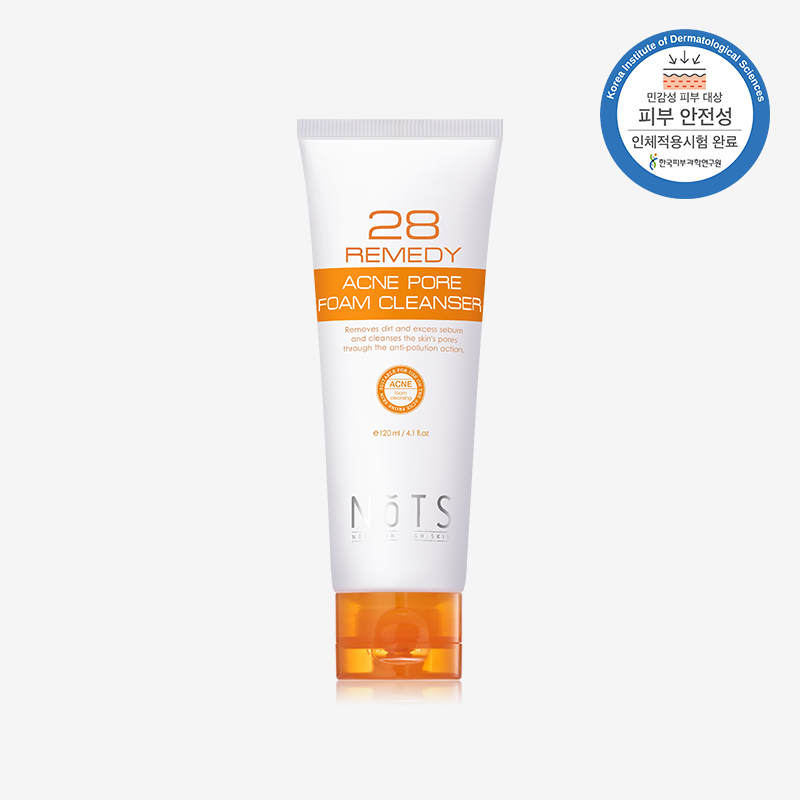
Similar picks from other brands


Headline ingredients
Melaleuca Alternifolia (Tea Tree) Leaf Oil
Listed #18 of 33 · likely a small amount
Breakouts Tea tree oil is a well-known ingredient included to help with breakouts.
These are the ingredients the product name highlights. Labels list ingredients from most to least, but anything under 1% can appear in any order, so position is a rough guide, not an exact amount.
Research on its main ingredients
- Salicylic Acid #14 — 28 randomized controlled trials · 151 skin studies in PubMed
- Glycerin #2 — 2 randomized controlled trials · 13 skin studies in PubMed
Studies test set amounts; this product’s amount isn’t on the label. A study is not a claim about this product.
Full ingredient list
| 1 | Water | ||
| 2 | Glycerin | Active | Helps: Dryness |
| 3 | Palmitic Acid | ||
| 4 | Stearic Acid | Caution | Caution for clog-prone skin Stearic acid is a fatty acid commonly cited as potentially pore-clogging for acne-prone skin. |
| 5 | Lauric Acid | Caution | Caution for clog-prone skin Lauric acid is a fatty acid commonly cited as potentially pore-clogging for acne-prone skin. |
| 6 | Myristic Acid | Caution | Caution for clog-prone skin Myristic acid is a fatty acid commonly cited as having pore-clogging potential |
| 7 | Potassium Hydroxide | ||
| 8 | Glyceryl Stearate Se | ||
| 9 | Propylene Glycol | Caution | Caution for sensitive skin — Mainly a solvent — it carries the formula and helps it spread Propylene glycol is a commonly reported irritant for sensitive skin. |
| 10 | Beeswax | Bee products | |
| 11 | Cocamidopropyl Betaine | Caution | Caution for sensitive skin Cocamidopropyl betaine is a surfactant commonly reported to cause irritation or allergic reactions in sensitive individuals. |
| 12 | Glycol Distearate | ||
| 13 | PEG-60 Hydrogenated Castor Oil | ||
| 14 | Salicylic Acid | Caution | Helps: Breakouts — Caution for dark marks after irritation, pregnancy, sensitive skin Exfoliating acid or retinoid: if it irritates, medium to deep skin tones can be left with lasting dark marks. Start slowly. |
| 15 | Ethyl Hexanediol | ||
| 16 | Sodium Chloride | ||
| 17 | Glyceryl Caprylate | ||
| 18 | Melaleuca Alternifolia (Tea Tree) Leaf Oil | Essential oils | Helps: Breakouts — Caution for sensitive skin Essential (volatile, aromatic) plant oil. |
| 19 | Tocopheryl Acetate | Active | Helps: Fine lines |
| 20 | Alcohol | Drying alcohol | Caution for dry skin, sensitive skin Short-chain alcohol that can dry the skin. |
| 21 | Disodium EDTA | ||
| 22 | BHT | ||
| 23 | Butylene Glycol | Base | Mainly a solvent — it carries the formula and helps it spread |
| 24 | Melaleuca Alternifolia (Tea Tree) Leaf Water | Caution | Helps: Breakouts · Oiliness & pores — Caution for sensitive skin Tea tree derived waters can be irritating for sensitive skin. |
| 25 | Sophora Angustifolia Root Extract | ||
| 26 | Glycyrrhiza Glabra (Licorice) Root Extract | Active | Helps: Dark spots · Redness & sensitivity |
| 27 | Calendula Officinalis Flower Extract | Active | Helps: Redness & sensitivity |
| 28 | Hamamelis Virginiana (Witch Hazel) Extract | ||
| 29 | 1,2-Hexanediol | Base | Mainly a solvent — it carries the formula and helps it spread |
| 30 | Centella Asiatica Leaf Extract | Active | Helps: Fine lines · Redness & sensitivity |
| 31 | Eucalyptus Globulus Leaf Extract | Caution | Caution for sensitive skin Eucalyptus extract is a plant extract commonly reported to cause irritation in sensitive skin |
| 32 | Pentylene Glycol | Base | Mainly a solvent — it carries the formula and helps it spread |
| 33 | Caprylyl Glycol | Base | Mainly a solvent — it carries the formula and helps it spread |
Ingredient notes are AI-assisted and come with their reasons. How we pick