Cleanse
Ceramide Weak Acid Low-Irritant Cleansing Foam
Is this right for my skin? →Vegan by label
A foam cleanser for the cleanser step of a routine, built on a mild, surfactant-based blend. Ceramide NP is listed twentieth and Centella Asiatica Extract is twenty-seventh, with Camellia Sinensis Leaf Extract close behind. The ingredient list also includes several ceramides, cholesterol and phytosterols alongside gentle amino acid-based surfactants.
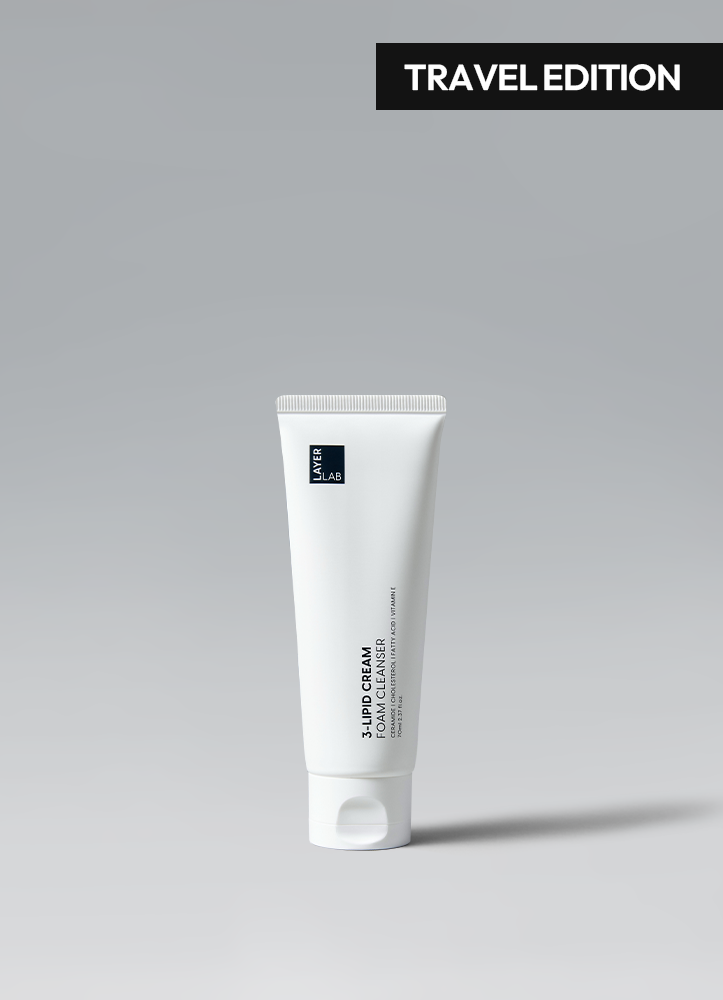
from ₩13,700 (≈ $10)
Ingredients checked Oct 26, 2026
Similar picks from other brands


Headline ingredients
Ceramide Np
Listed #20 of 40 · likely a small amount
Dryness Ceramide NP is a recognised ingredient that helps restore the skin barrier and relieve dryness.
These are the ingredients the product name highlights. Labels list ingredients from most to least, but anything under 1% can appear in any order, so position is a rough guide, not an exact amount.
Research on its main ingredients
- Glycerin #2 — 2 randomized controlled trials · 13 skin studies in PubMed
Studies test set amounts; this product’s amount isn’t on the label. A study is not a claim about this product.
Full ingredient list
| 1 | Water | ||
| 2 | Glycerin | Active | Helps: Dryness |
| 3 | Sodium Cocoyl Isethionate | ||
| 4 | Butylene Glycol | Base | Mainly a solvent — it carries the formula and helps it spread |
| 5 | Hydroxypropyl Starch Phosphate | ||
| 6 | Sodium Methyl Cocoyl Taurate | ||
| 7 | Potassium Cocoyl Glycinate | ||
| 8 | Sodium Lauroyl Methylaminopropionate | ||
| 9 | Dipropylene Glycol | Base | Mainly a solvent — it carries the formula and helps it spread |
| 10 | Potassium Cocoate | Caution | Caution for sensitive skin Potassium cocoate is a soap-type surfactant that can be irritating and disrupt the skin barrier for sensitive skin. |
| 11 | 1,2-Hexanediol | Base | Mainly a solvent — it carries the formula and helps it spread |
| 12 | Hydroxyacetophenone | ||
| 13 | Candida Bombicola/Glucose/Methyl Rapeseedate Ferment | Active | Helps: Breakouts · Oiliness & pores |
| 14 | Citric Acid | ||
| 15 | Polyquaternium-67 | ||
| 16 | Disodium EDTA | ||
| 17 | Calendula Officinalis Flower Water | ||
| 18 | Tocopherol | ||
| 19 | Helianthus Annuus (Sunflower) Seed Oil | Active | Helps: Dryness |
| 20 | Ceramide Np | Active | Helps: Dryness |
| 21 | Ceramide As | Active | Helps: Dryness |
| 22 | Ceramide Ap | Active | Helps: Dryness |
| 23 | Ceramide Ns | Active | Helps: Dryness |
| 24 | Ceramide Eop | Active | Helps: Dryness |
| 25 | Cholesterol | Active | Helps: Dryness |
| 26 | Phytosterols | Active | Helps: Dryness |
| 27 | Centella Asiatica Extract | Active | Helps: Breakouts · Redness & sensitivity |
| 28 | Camellia Sinensis Leaf Extract | Active | Helps: Dullness & uneven tone · Redness & sensitivity |
| 29 | Asiaticoside | Active | Helps: Redness & sensitivity |
| 30 | Madecassoside | Active | Helps: Redness & sensitivity |
| 31 | Asiatic Acid | Active | Helps: Redness & sensitivity |
| 32 | Madecassic Acid | Active | Helps: Redness & sensitivity |
| 33 | Tromethamine | ||
| 34 | Palmitic Acid | ||
| 35 | Stearic Acid | Caution | Caution for clog-prone skin Stearic acid is a fatty acid commonly cited as potentially pore-clogging for acne-prone skin. |
| 36 | Hydrogenated Lecithin | ||
| 37 | Glyceryl Stearate | ||
| 38 | Myristic Acid | Caution | Caution for clog-prone skin Myristic acid is a fatty acid commonly cited as having pore-clogging potential |
| 39 | Arachidic Acid | ||
| 40 | Lauric Acid | Caution | Caution for clog-prone skin Lauric acid is a fatty acid commonly cited as potentially pore-clogging for acne-prone skin. |
Ingredient notes are AI-assisted and come with their reasons. How we pick