Cica Mild Foam Cleanser
Is this right for my skin? →A foaming facial cleanser from VT Cosmetics that the brand describes as rich in lather, designed to remove dirt from pores. The brand pitches it at acne-prone skin and says it aims to calm irritated skin. Centella Asiatica Extract sits in the middle of the list, alongside Madecassoside and Asiaticoside, while Propolis Extract and Sodium Hyaluronate also appear among the botanical and hydrating ingredients.

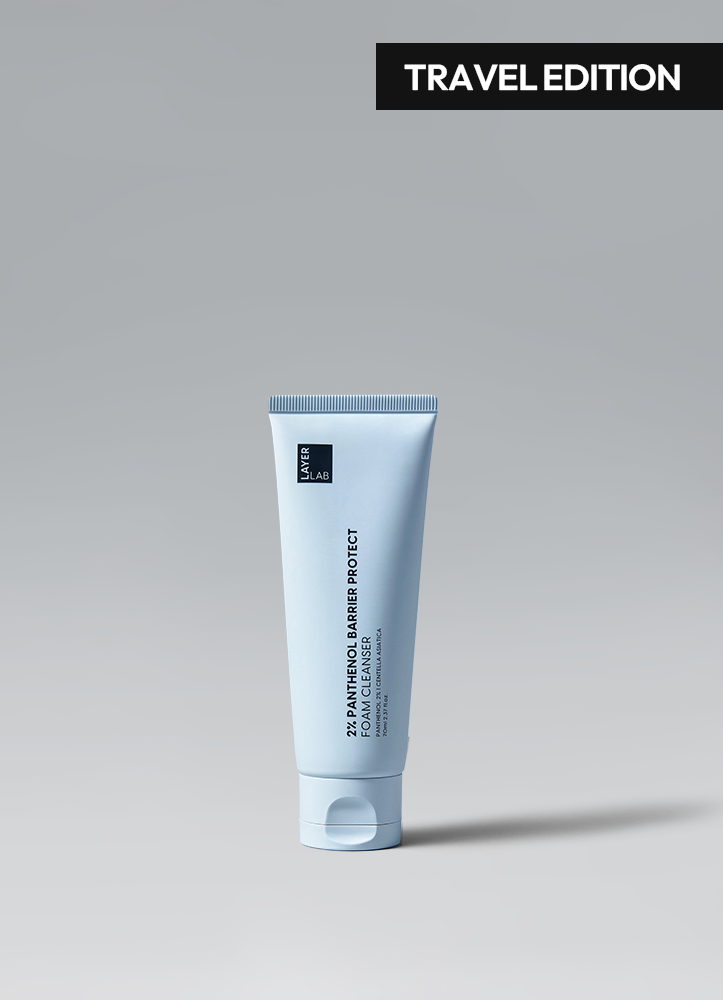
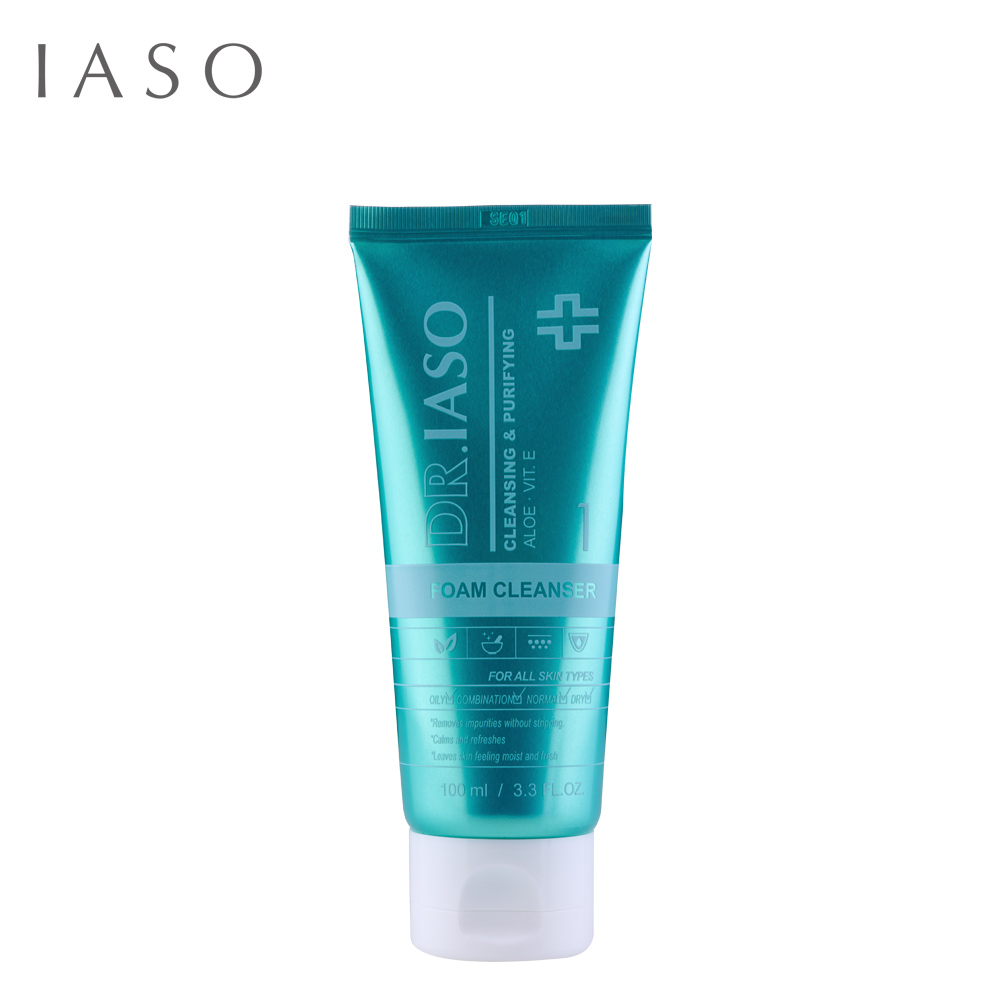
Similar picks from other brands

Headline ingredients
These are the ingredients the product name highlights. Labels list ingredients from most to least, but anything under 1% can appear in any order, so position is a rough guide, not an exact amount.
Research on its main ingredients
- Madecassoside #13 — 1 randomized controlled trial · 14 skin studies in PubMed
- Glycerin #7 — 2 randomized controlled trials · 13 skin studies in PubMed
- Asiaticoside #14 — 1 randomized controlled trial · 15 skin studies in PubMed
Studies test set amounts; this product’s amount isn’t on the label. A study is not a claim about this product.
Full ingredient list
| 1 | Water | ||
| 2 | Stearic Acid | Caution | Caution for clog-prone skin Stearic acid is a fatty acid commonly cited as potentially pore-clogging for acne-prone skin. |
| 3 | Cocamidopropyl Betaine | Caution | Caution for sensitive skin Cocamidopropyl betaine is a surfactant commonly reported to cause irritation or allergic reactions in sensitive individuals. |
| 4 | Lauric Acid | Caution | Caution for clog-prone skin Lauric acid is a fatty acid commonly cited as potentially pore-clogging for acne-prone skin. |
| 5 | Myristic Acid | Caution | Caution for clog-prone skin Myristic acid is a fatty acid commonly cited as having pore-clogging potential |
| 6 | Potassium Hydroxide | ||
| 7 | Glycerin | Active | Helps: Dryness |
| 8 | Potassium Cocoyl Glycinate | ||
| 9 | PEG-90 | ||
| 10 | Glyceryl Stearate | ||
| 11 | PEG-100 Stearate | ||
| 12 | Madecassic Acid | Active | Helps: Redness & sensitivity |
| 13 | Madecassoside | Active | Helps: Redness & sensitivity |
| 14 | Asiaticoside | Active | Helps: Redness & sensitivity |
| 15 | Asiatic Acid | Active | Helps: Redness & sensitivity |
| 16 | Propolis Extract | Bee products | Helps: Breakouts · Redness & sensitivity |
| 17 | Centella Asiatica Extract | Active | Helps: Breakouts · Redness & sensitivity |
| 18 | Sodium Hyaluronate | Active | Helps: Dryness |
| 19 | Lavandula Angustifolia (Lavender) Flower Extract | Caution | Caution for sensitive skin Lavender extracts are commonly reported as potential irritants or allergens for sensitive skin. |
| 20 | Monarda Didyma Leaf Extract | ||
| 21 | Mentha Piperita (Peppermint) Leaf Extract | Caution | Helps: Redness & sensitivity — Caution for sensitive skin Mint-derived extracts can cause tingling or irritation in sensitive skin. |
| 22 | Freesia Refracta Extract | ||
| 23 | Chamomilla Recutita (Matricaria) Flower Extract | Active | Helps: Redness & sensitivity |
| 24 | Rosmarinus Officinalis (Rosemary) Leaf Extract | Active | Helps: Redness & sensitivity |
| 25 | Hydrolyzed Hyaluronic acid | Active | Helps: Dryness |
| 26 | Sodium Acetylated Hyaluronate | Active | Helps: Dryness |
| 27 | Polyquaternium-7 | ||
| 28 | Tocopheryl Acetate | Active | Helps: Fine lines |
| 29 | Disodium EDTA | ||
| 30 | 1,2-Hexanediol | Base | Mainly a solvent — it carries the formula and helps it spread |
| 31 | PEG-14M | ||
| 32 | Acrylates/C10-30 Alkyl Acrylate Crosspolymer | ||
| 33 | Sodium Polyacrylate | ||
| 34 | Fragrance | Fragrance | Caution for sensitive skin Listed fragrance ingredient or EU-declared fragrance allergen. |
Ingredient notes are AI-assisted and come with their reasons. How we pick